Farm Diversification with Glamping Pods
Glamping pods can provide farms and rural landowners with an opportunity to develop visitor accommodation and create an additional tourism-based income stream.
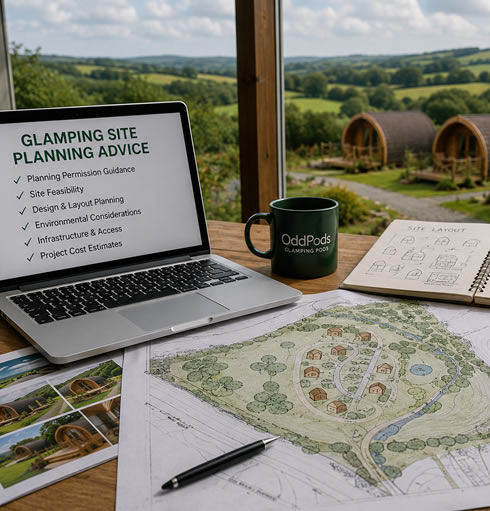
A successful project requires more than placing a pod in a field. Planning permission, access, drainage, utilities, privacy, scenery, guest demand and the overall visitor experience must all be considered.
Odd Pods manufactures luxury glamping pods in Carmarthenshire for farm diversification projects throughout Wales and across the UK.
What Is Farm Diversification?
Farm diversification involves introducing an additional activity or income stream alongside the existing agricultural business.
Depending on the location and available land, this may include holiday accommodation, farm shops, events, visitor attractions, renewable energy, food production or other rural enterprises.
Glamping can appeal to farms with attractive surroundings, suitable access and a location that visitors would enjoy staying in. It may also complement existing attractions, wedding venues, fishing lakes, equestrian businesses or direct-to-consumer farm activities.
Potential Benefits of Glamping Pods for Farms
Additional Income
Guest accommodation may create a separate source of revenue alongside the farm’s existing agricultural activities.
Use Suitable Land
A carefully selected area of land may be developed for tourism without changing the operation of the entire farm.
Start Gradually
Some landowners begin with one accommodation unit before deciding whether a larger development is appropriate.
Support Existing Activities
Pods may complement farm shops, fishing lakes, wedding venues, visitor attractions, food businesses and rural events.
Attract New Visitors
Distinctive accommodation can introduce new customers to the farm and surrounding rural area.
Potential Year-Round Use
Insulated and heated pods may support bookings beyond the main summer camping season, depending on local demand.
Is Your Farm Suitable for a Glamping Project?
Not every field or rural property will be suitable for visitor accommodation.
The strongest location may not be the largest area of land. Guests often value privacy, attractive views, convenient access and a sense of separation from normal farm operations.
Before committing to a pod purchase, consider how guests, delivery vehicles, cleaning staff and emergency services would reach the accommodation.
Planning Permission GuidanceEarly Questions to Ask
- Is the location attractive to visitors?
- Can guests access the site safely?
- Can a completed pod be delivered and positioned?
- Are electricity and water available nearby?
- How will sewage and wastewater be managed?
- Will farm activity disturb guests?
- Will visitors interfere with agricultural operations?
- Can privacy be created between accommodation units?
- Are there landscape, ecological or flood risks?
- What planning policies apply to the land?
Important Factors for a Farm Glamping Site
Guest Access
Visitors need a safe, understandable route from the public highway to the accommodation, along with suitable parking.
Pod Delivery Access
The access required to deliver a completed pod may be different from the access needed by normal guest vehicles.
Ground Conditions
Sloping, wet or unstable ground may require additional preparation, drainage or engineered support before installation.
Water and Electricity
Consider how services will reach the pod and whether the existing farm supply has sufficient capacity.
Drainage and Sewage
Self-contained accommodation requires a suitable method of handling wastewater and toilet facilities.
Privacy and Views
Guests may pay more for an attractive outlook, private outdoor space and distance from roads, work areas and neighbouring pods.
Farm Operations
Machinery, livestock, early starts, deliveries and seasonal work should be considered when choosing the guest area.
Planning Constraints
Landscape designations, ecology, highways, flooding and local tourism policies may affect what can be developed.
Local Demand
Research nearby accommodation, visitor attractions, seasonal demand, nightly rates and the features guests value.
Planning Permission for Glamping Pods on Farm Land
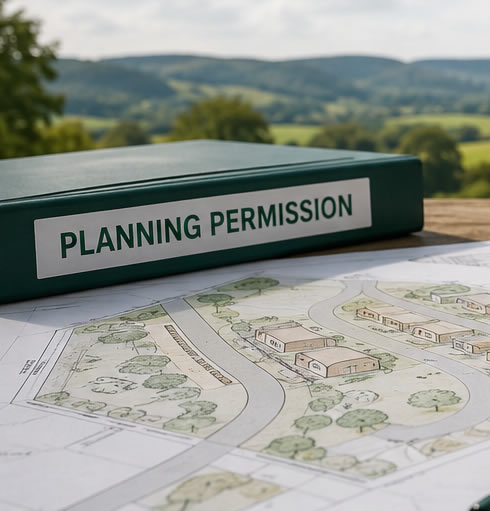
Commercial glamping accommodation will commonly require planning permission or approval for a change in the use of the land.
The planning authority may consider the scale of the project, access, traffic, drainage, ecology, landscape impact, neighbouring properties and the relationship between tourism and the existing farm business.
Agricultural ownership does not automatically allow land to be used for holiday accommodation. Customers should establish the planning position before committing substantial funds to pods, groundworks or utilities.
Professional planning advice may be worthwhile where the project involves several units, sensitive land or significant infrastructure.
Read the Planning GuideWhat Should a Farm Glamping Pod Include?
Inside the Pod
- Comfortable sleeping arrangements
- Reliable heating and insulation
- A private shower room where appropriate
- Kitchen or food-preparation facilities
- Storage for luggage and clothing
- Good lighting and electrical sockets
- Durable, easily maintained finishes
- Space suited to couples or families
Around the Pod
- Private seating or decking
- Clear paths and safe access
- Parking provision
- Attractive planting and landscaping
- Waste and recycling facilities
- Exterior lighting where necessary
- Views or screening between units
- Information about the farm and local area
Choose a Pod Around Your Intended Guests
The ideal farm glamping pod depends on the customer you want to attract.
A couples’ retreat may benefit from a spacious bed, luxury bathroom, private outdoor area and attractive views. Family accommodation may need additional sleeping arrangements, storage, dining space and more practical facilities.
Fishing or activity-based accommodation may prioritise storage, easy-clean surfaces and convenient access, while a premium rural retreat may focus more heavily on interior design and privacy.
Odd Pods can adapt pod layouts, facilities and finishes around the intended use and available site.
Explore Bespoke Glamping Pods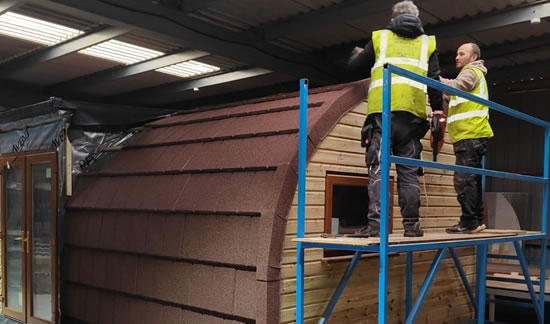
How Can Farm Glamping Generate Income?
Income is generated by selling overnight stays, but the amount retained by the farm depends on more than the advertised nightly price.
Occupancy, seasonal demand, booking commissions, cleaning, electricity, maintenance, finance and ongoing marketing all influence the commercial result.
A cautious business plan should use realistic local rates and booking assumptions rather than relying on the strongest examples seen elsewhere in the UK.
Read the Investment GuideFinancial Areas to Consider
- Pod purchase and delivery
- Planning and professional fees
- Groundworks and infrastructure
- Furniture and guest equipment
- Photography and advertising
- Booking-platform commission
- Cleaning and laundry
- Heating, electricity and water
- Insurance and maintenance
- Finance repayments where applicable
How Glamping Can Support Other Farm Activities
Overnight guests may also create opportunities for the farm’s existing products, services and visitor experiences.
Potential Linked Activities
- Farm-shop purchases
- Breakfast or welcome hampers
- Local food and drink packages
- Farm tours or animal experiences
- Fishing and outdoor activities
- Walking and cycling information
- Seasonal events
- Wedding and event accommodation
Potential Guest Markets
- Couples seeking countryside breaks
- Families wanting rural holidays
- Walkers and cyclists
- Anglers and outdoor visitors
- Wedding guests
- Visitors to local festivals and attractions
- People seeking digital-detox breaks
- Guests travelling with pets where permitted
A Practical Route Into Farm Glamping
Assess the Opportunity
Research demand, local accommodation, attractions, access, views and potential guest markets.
Check Feasibility
Investigate planning, utilities, drainage, delivery access, ground conditions and likely development costs.
Choose the Pod
Select the layout, facilities and specification suited to the intended guests and available budget.
Prepare for Guests
Complete the site, create professional marketing, arrange bookings and establish cleaning and maintenance systems.
What Does a Farm Glamping Project Cost?
The cost depends on the number and specification of pods, site conditions and the infrastructure already available.
A self-contained luxury pod with a bathroom and kitchen will require a different budget from a simpler accommodation unit supported by shared facilities.
The wider project budget may also need to include planning, groundworks, utility connections, drainage, access improvements, landscaping, furnishings and marketing.
Odd Pods can quote for the accommodation itself once the preferred pod design and specification are understood.
View the Pod Pricing GuidePotential Farm Diversification Risks
Development Risks
- Planning permission may not be granted
- Highways or access concerns may arise
- Groundworks may cost more than expected
- Utilities may be difficult to connect
- Drainage or ecology issues may delay the project
- Pod delivery access may be restricted
Commercial Risks
- Guest demand may be seasonal
- Competitors may affect pricing
- Bookings may take time to build
- Marketing requires ongoing attention
- Operating costs may increase
- Income and payback are not guaranteed
Important Planning and Business Note
This page provides general information only and does not constitute planning, financial, legal, agricultural or tax advice.
Each farm, site and business is different. Obtain appropriate professional advice and confirm the planning position before committing to a glamping pod development.
Farm Diversification with Glamping Pods: FAQs
Can I put glamping pods on agricultural land?
Potentially, but agricultural ownership does not automatically authorise tourism accommodation. Planning permission or approval for a change of use may be required.
Do farm glamping pods require planning permission?
In many circumstances, yes. The requirements depend on the location, land use, number of pods, access, infrastructure and intended commercial operation.
Can I begin with one glamping pod?
Potentially. Some businesses begin with one unit, although the planning and infrastructure requirements must still be assessed properly.
Are glamping pods suitable for year-round bookings?
Insulated and heated pods can provide accommodation throughout the seasons, but actual demand will depend on the location, local attractions and marketing.
Can Odd Pods design accommodation specifically for my farm?
Yes. Odd Pods can discuss bespoke sizes, layouts, bathrooms, kitchens, sleeping capacity and finishes based on the proposed guest market and site.
Can finance be used for a farm glamping pod?
Finance may be available to eligible customers, subject to approval and the terms offered by the relevant provider.
Does Odd Pods deliver throughout the UK?
Yes. Odd Pods manufactures in Carmarthenshire and can arrange delivery throughout the UK, subject to site access and project requirements.
Considering Glamping Pods for Your Farm?
Speak to Odd Pods about your land, intended guests, preferred accommodation style and required facilities. We can discuss suitable pod options and provide a quotation based on your project.
Contact Odd Pods Wales