
Are Glamping Pods a Good Investment?
Glamping pods can offer an attractive commercial opportunity for farms, campsites, holiday parks, fishing lakes, rural estates and landowners looking to create distinctive visitor accommodation.
However, buying a pod does not automatically guarantee bookings or profit. The strength of the investment depends on the location, planning position, guest demand, accommodation quality, nightly rate, operating costs and how effectively the business is marketed.
This guide explains the main factors that can influence the potential return from a UK glamping pod project.
Can a Glamping Pod Produce a Good Return?
A well-planned glamping pod in a suitable location can become a valuable income-producing asset. It may allow an existing rural, tourism or hospitality business to earn more from land and facilities it already owns.
The strongest projects usually combine desirable accommodation with privacy, attractive surroundings, reliable facilities, professional photographs, positive reviews and a clear reason for guests to choose the site.
The pod itself is only one part of the investment. Planning, infrastructure, marketing, guest experience and ongoing management will all affect the final commercial result.
Why Businesses Invest in Glamping Pods
Create Income From Land
Suitable land may be used to provide visitor accommodation and create an additional tourism income stream, subject to planning and site requirements.
Broaden an Existing Business
Campsites, fishing lakes, farms, pubs, wedding venues and visitor attractions may use pods to introduce overnight accommodation.
Offer Premium Accommodation
A well-designed pod with a private bathroom, kitchen and attractive interior may support a higher guest rate than basic camping accommodation.
Extend the Booking Season
Insulated pods with suitable heating and facilities may attract bookings outside the traditional summer camping season.
Start With One Unit
Some businesses begin with a single pod and assess demand before considering a larger accommodation development.
Create a Distinctive Experience
Bespoke styling, privacy, views, outdoor areas and thoughtful guest facilities can help a property stand apart from standard holiday accommodation.
How Does a Glamping Pod Generate Revenue?
The basic income model is straightforward: the pod is rented to guests for an agreed nightly rate.
The total revenue produced depends on the number of nights sold and the average amount paid for each stay.
Higher headline nightly rates do not always mean higher overall profit. A competitively priced pod with strong occupancy may perform better than expensive accommodation that remains empty for much of the year.
Businesses should therefore consider both nightly rate and realistic booking levels.
Revenue Is Influenced By
- The location and surrounding attractions
- The quality and appearance of the pod
- Private bathrooms and kitchen facilities
- Views, privacy and outdoor space
- Hot tubs and premium extras
- Seasonal demand
- Weekday and weekend pricing
- Minimum-stay requirements
- Marketing and booking-platform visibility
- Customer reviews and repeat bookings
A Simple Glamping Pod Income Calculation
Before purchasing a pod, prepare a cautious estimate using an achievable nightly rate and realistic number of booked nights.
Research similar accommodation within the intended area rather than relying on the highest prices advertised nationally.
Remember that gross booking revenue is not the same as profit. Operating expenses, finance, maintenance and tax must still be considered.
Basic Revenue Estimate
Average nightly rate × booked nights = gross accommodation revenueFrom that gross revenue, deduct the costs of operating and maintaining the accommodation.
Gross revenue − operating costs = potential operating returnThis is a planning estimate only. Actual bookings, costs and returns can differ considerably.
Factors Affecting Glamping Pod Profitability
Location
Access to scenery, attractions, walking routes, beaches, events or popular visitor areas may increase the appeal of the accommodation.
Planning Permission
The project must have the correct permissions and comply with the requirements that apply to the land and intended use.
Guest Experience
Comfortable beds, reliable heating, cleanliness, bathrooms, kitchens, privacy and thoughtful extras can influence reviews and repeat bookings.
Nightly Rate
Pricing must reflect the quality of the accommodation, local market, time of year, day of the week and level of demand.
Occupancy
The number of nights booked can have a greater effect on annual revenue than achieving an unusually high price for a limited number of stays.
Operating Costs
Cleaning, laundry, electricity, water, waste, booking fees, insurance and maintenance reduce the amount retained by the business.
Marketing
Professional photographs, an effective website, booking platforms, social media and strong reviews can all help generate enquiries.
Pod Quality
Construction, insulation and durable finishes may affect comfort, maintenance requirements, guest satisfaction and the useful life of the pod.
Competition
A project should offer something distinctive enough to compete with other glamping sites, cottages, hotels and holiday accommodation nearby.
What Costs Should Be Included in Your Business Plan?
The glamping pod purchase price is only one part of the overall investment.
Some sites require planning support, foundations, drainage, electricity, water, sewage arrangements, access improvements and landscaping before the accommodation can begin operating.
The business may also need furniture, linen, booking software, insurance, fire-safety equipment, photography, advertising and cleaning arrangements.
Building these costs into the plan from the beginning provides a more realistic view of the amount invested and the revenue needed to recover it.
View the Pod Pricing GuideTypical Glamping Pod Operating Costs
Regular Operating Expenses
- Cleaning between guest stays
- Laundry and replacement linen
- Electricity and heating
- Water and waste services
- Booking-platform commission
- Payment-processing charges
- Guest toiletries and consumables
- Wi-Fi and entertainment services
Business and Property Costs
- Insurance
- Maintenance and repairs
- Ground and landscaping upkeep
- Marketing and photography
- Finance repayments where applicable
- Professional fees
- Business rates or taxation where applicable
- Replacement furnishings and equipment
Can Glamping Pods Generate Income All Year?
The ability to attract bookings outside the summer season can improve the commercial potential of a glamping pod.
Insulation, heating, hot water, sheltered outdoor areas and comfortable indoor facilities can make accommodation more appealing during cooler months.
However, year-round construction does not automatically create year-round demand. The location, local attractions, weather, events and the way the stay is marketed will still affect bookings.
Businesses may use seasonal pricing, weekend packages, romantic breaks or special offers to encourage guests during quieter periods.
Why Choose Odd Pods?
The Benefits and Risks of Investing in Glamping Pods
Potential Advantages
- Create income from suitable land
- Add accommodation to an existing business
- Begin with one unit and expand gradually
- Attract couples, families or specialist visitors
- Offer more comfort than traditional camping
- Potentially operate beyond the summer season
- Create a distinctive and marketable experience
- Retain a physical accommodation asset
Potential Risks
- Planning permission may not be granted
- Development costs may exceed the initial budget
- Bookings may be seasonal or inconsistent
- Competition may affect rates and occupancy
- Marketing may require ongoing investment
- Maintenance and operating expenses can increase
- Access or infrastructure may restrict development
- There is no guaranteed return or payback period
Glamping Accommodation for Rural and Tourism Businesses
Glamping pods may suit businesses and landowners that already have access, attractive surroundings, visitor demand or facilities capable of supporting overnight guests.
They may also suit existing tourism businesses looking to replace or complement seasonal camping accommodation with a more substantial year-round option.
Explore Bespoke Glamping PodsPotential Commercial Users
- Farms and rural landowners
- Campsites and caravan parks
- Holiday parks
- Fishing lakes
- Wedding venues
- Pubs and restaurants
- Country estates
- Equestrian businesses
- Tourism attractions
- Existing holiday accommodation providers
Four Steps Before Buying a Glamping Pod
Research Demand
Study local accommodation, visitor attractions, pricing, reviews and seasonal demand within the intended area.
Check the Site
Assess planning, access, drainage, electricity, water, ground conditions and the privacy available to guests.
Prepare the Budget
Include the pod, delivery, infrastructure, furnishings, marketing, professional fees and working capital.
Choose the Right Pod
Select a layout and specification suited to the intended guests, expected rate and long-term commercial use.
Check Planning and Site Feasibility Before Investing
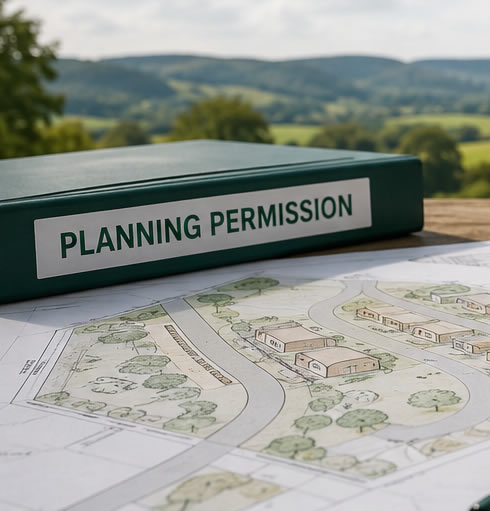
In many situations, glamping accommodation requires planning permission or a change in the authorised use of the land.
The local planning authority may consider access, highways, drainage, ecology, landscape impact, neighbouring properties, tourism policy and the number of accommodation units proposed.
Customers should avoid committing their entire project budget until they understand the planning position and practical suitability of the site.
Planning Permission GuidanceImportant Investment Note
This page provides general guidance only. It does not provide financial, tax, legal or planning advice and does not guarantee income, occupancy, profit or investment returns.
Every site and business is different. Obtain appropriate professional advice and prepare your own feasibility study and financial forecast before committing to a glamping development.
Glamping Pod Investment: Frequently Asked Questions
Are glamping pods profitable?
They can be profitable in suitable circumstances, but results depend on demand, nightly rates, occupancy, project costs, operating expenses and the quality of the overall guest experience.
How much money can a glamping pod make?
Potential revenue depends on the average nightly rate and number of booked nights. Local market research is necessary because rates and occupancy vary considerably between areas and accommodation types.
How long does it take for a glamping pod to pay for itself?
There is no standard payback period. It depends on the total amount invested, finance costs, annual revenue, operating expenses, maintenance and taxation.
Can I start with one glamping pod?
Potentially, yes. Some businesses begin with one unit to assess demand and develop their operating process before considering additional accommodation.
Can glamping pods be rented throughout the year?
Insulated and heated pods may be suitable for year-round accommodation, but actual bookings will still depend on location, demand, weather and marketing.
Do I need planning permission?
Planning requirements depend on the land, location, number of units and intended use. Contact the relevant local planning authority and obtain professional advice where necessary.
Can finance be used for a glamping pod investment?
Finance may be available to eligible customers, subject to approval and the terms of the relevant finance provider.
Considering a Glamping Pod Investment?
Speak to Odd Pods about your site, intended guests, preferred accommodation style and required specification. We can explain the available pod options and provide a quotation based on your proposed project.
Contact Odd Pods Wales